
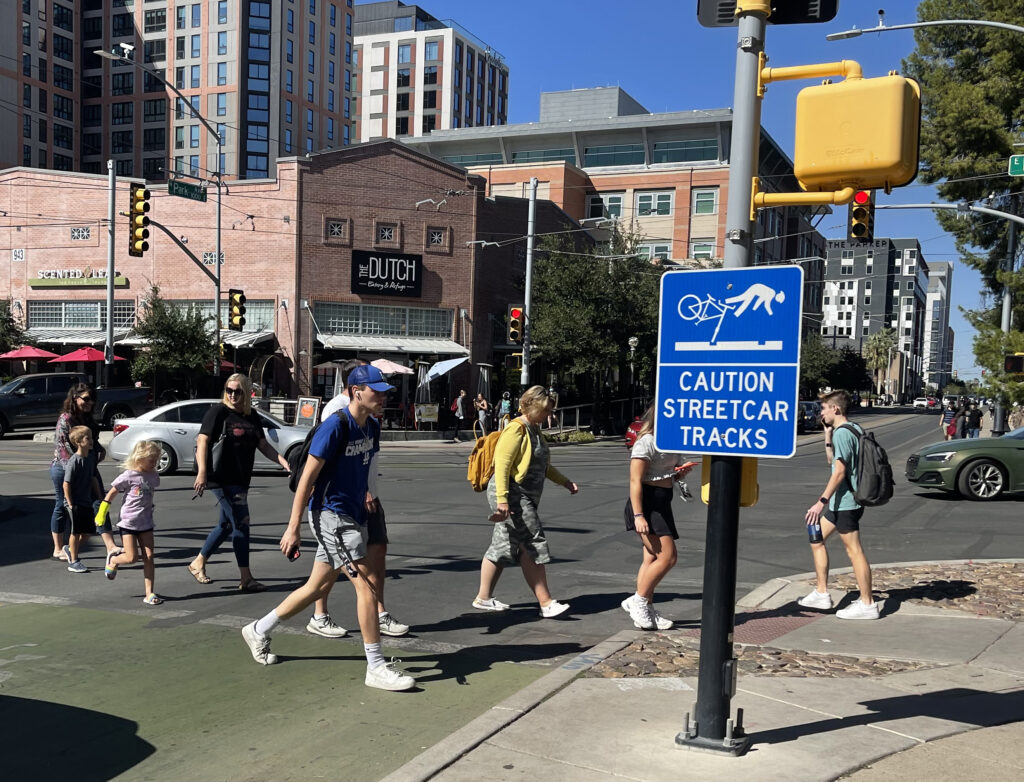
We all know that using active transportation as part of your daily commute is a great way to live healthy and help air quality. Walking is an especially beneficial form of active transportation that takes no extra equipment – other than your shoes — to implement. A recent study suggests that adjusting one’s path to work can add additional health benefits.
Not everyone lives close enough to work to walk, but for those who do it is a fantastic way to incorporate exercise into your daily routine.
“A brisk daily walk of around 20 minutes is associated with substantial reductions in all-cause mortality risk,” wrote Andrei Ionescu on earth.com. “For people who struggle to fit workouts into crowded schedules, commutes are one of the few reliably routinized parts of the day. Embedding movement into that routine turns an abstract health goal into a default behavior.”
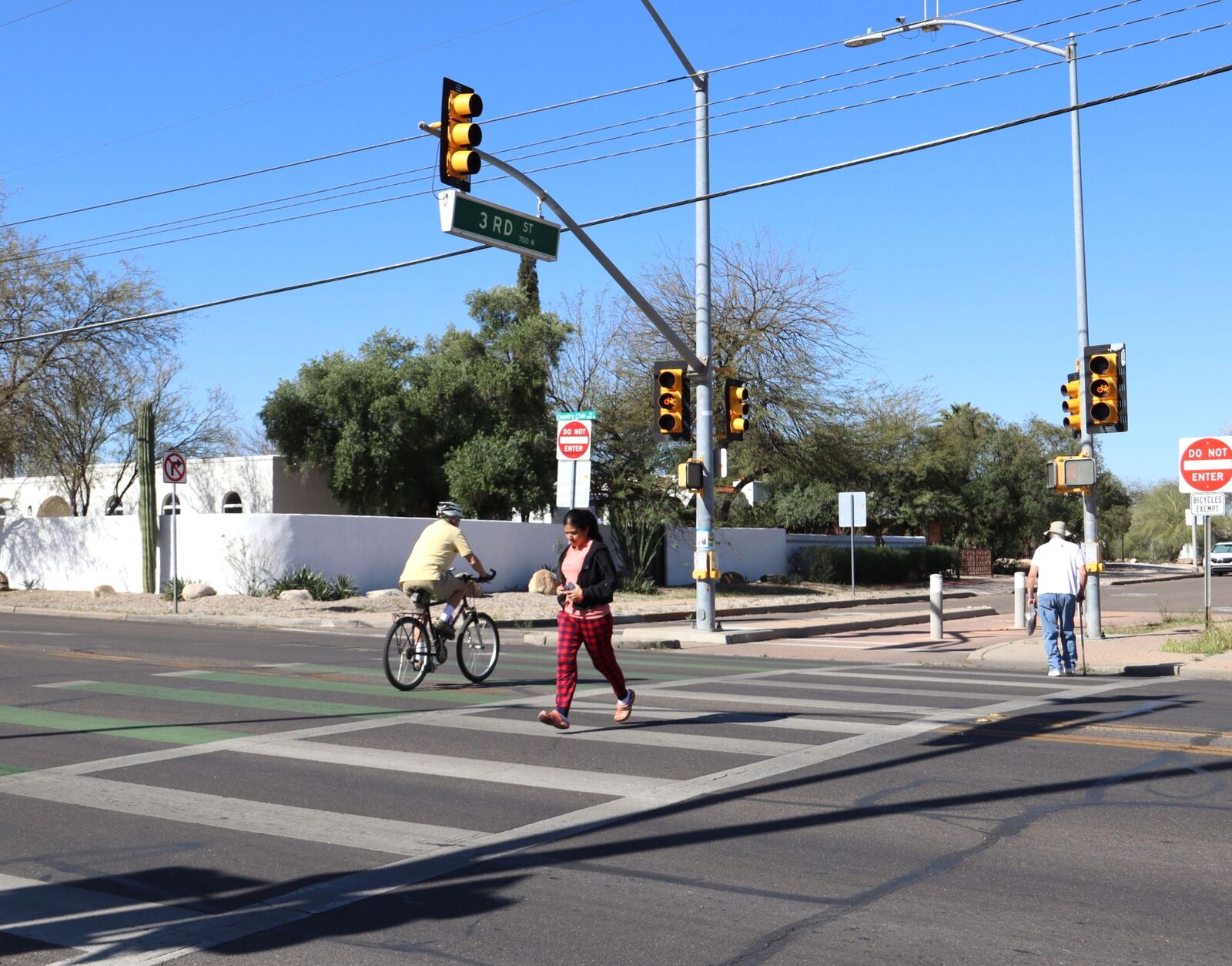
Even if you can’t walk all the way to work, adding extra walking to your commute can help. For those who park offsite, such as those who work downtown, try picking a parking lot farther away and getting those extra steps in. Try walking to use transit or walk to an easy meeting spot to meet up with your carpool or vanpool. Not only will you get some exercise, you could also make it easier for your rideshare driver to meet you.
Already using transit? An Israeli study suggests that you can add additional walking to your commute, without adding extra travel time.
The study by the Wellness Research Lab found that using routing apps can be the key to getting additional walking in while keeping the duration of their commute the same. The researcher found that they could raise the “acceptable walking threshold” inside the apps and add “about nine extra minutes of walking to their trips and still arrive exactly when they would have under default settings.”
“This means you can leave home at the same time, get to work at the same time, and walk more along the way,” said Jonathan Rabinowitz who heads up the Wellness Research Lab.
Surprisingly, longer walking options even reduced commute times by avoiding slow transfers and stops with infrequent connections.
If you don’t have multiple stops or transfers you can still use this strategy by walking a few stops farther than the one closest to your house. Instead of waiting for the bus, time your walk so you get those steps in and meet the bus a little farther up the road.
Do the same on your way to work by jumping off a few stops before your usual one. In stop-and-go traffic, you just might be faster than the bus on foot.
If walking to work is an option, you don’t need anything to get started, but a few items may help you with your commute. Getting a decent pair of walking shoes would be beneficial. You don’t need to break the bank on the latest technology, but getting a pair with some cushion will make your walk more comfortable. If work requires you to wear footwear that is not good for walking, you will need some kind of bag to carry your work shoes.
A water bottle, a towel or deodorant wipes and even a change of clothes are some other items you might want to bring with you depending on how rigorous your walk is.
If your place of employment is too far to walk to, try adding more walking to your daily routine, especially if it allows you to reduce car trips. Need just one or two items from the store, eschew the car and stroll over. The same strategy can be employed if you live near your local coffee shop, drug store or convenience store.