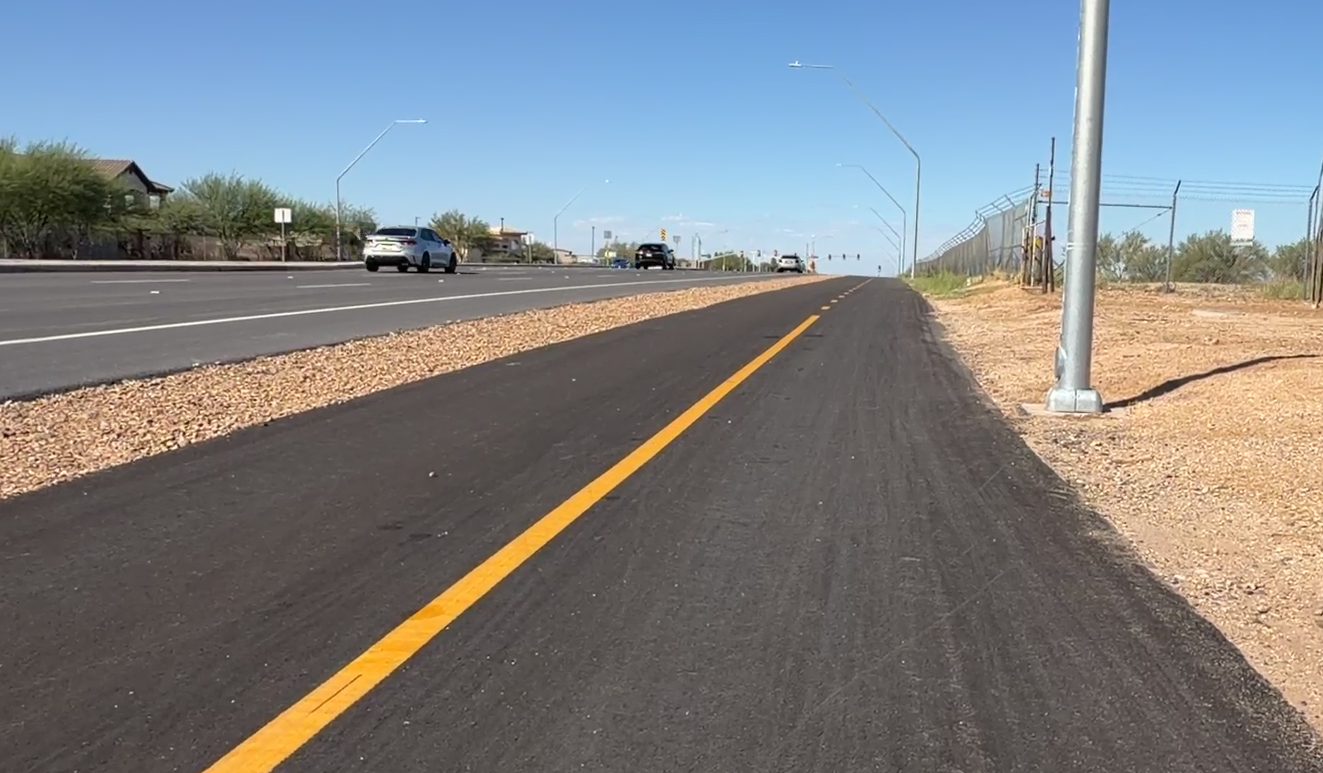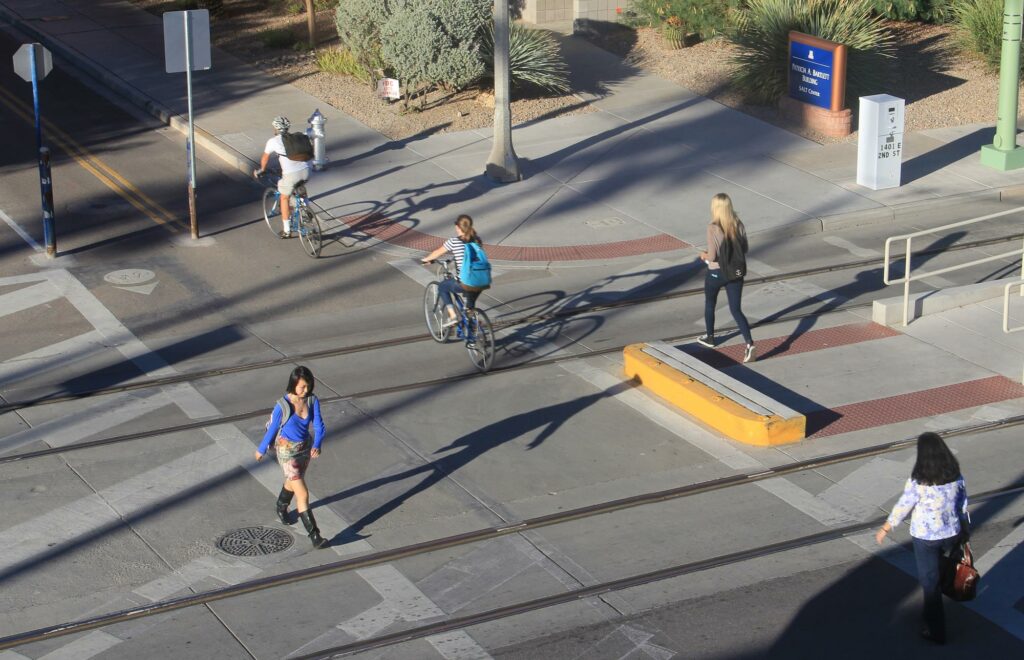
Alternative modes of transportation take two forms, old standbys like carpools, bicycles and walking, or the latest trends, rapid transit, telework, and e-bikes and electric scooters. Micro-commuting is a name for a trend that encapsulates both the old and the new.
Technically, a micro-commute is any short commute of 5-15 minutes, but it can also be part of a longer commute. Most of us do not have the luxury of walking to work, but incorporating a short walk or bike ride as part of your longer commute can be a way to cut down on car rides.
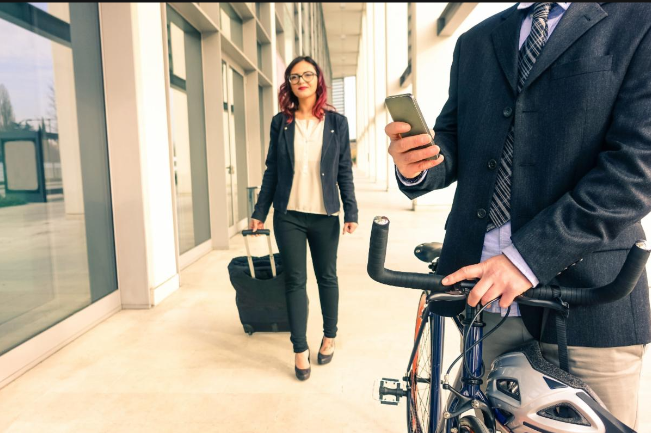
Many people are using micro-commutes as part of a “first/last mile solution” to their commute. In most cases this is used in conjunction with transit, where someone might walk or bike to a transit stop. Not everyone lives close to a bus stop, or close to a bus stop that will easily take them to their place of work, so using active transportation to get to the appropriate stop is a good way to make transit work for you.
It can work in the opposite direction; a person may have a transit stop near their home but there is not a stop very close to where they work. In this case they can take a longer walk from that transit stop to their place of business.
The first/last mile does not only apply to transit. People can integrate walking or cycling as part of their carpool. Consider on days that you do not drive, walking or cycling to someone else in the carpool’s house. This can save time for the entire ride as it eliminates a stop, provides some good exercise, and cuts down on the miles traveled for the carpool.
Walking and cycling are not the only form of micro-commute. With the rise in popularity of motorized scooters, especially in urban areas, using them as part of a micro-commute can make them a cost-effective form of transportation.
“Electric scooter commuting costs roughly $0.05 to $0.15 per charge in electricity and typically saves riders $8,000 to $11,000 a year compared with owning a car, based on AAA’s $11,577 average annual ownership cost,” explained the blog atkaabousa.com, an electric scooter manufacturer.
There are scooter rental services around Tucson. Where you can just grab a scooter and leave it at your destination, but there is no guarantee that a scooter will be available when you need one. Another option is a foldable scooter that can be transported on the bus and easily stored at work.
Cycling is another option for a longer micro commute. Many buses have bike racks. If one leg of your commute is longer, cycling one way might be an option, provided there is somewhere to safely lock up your bike.
While those are the most common methods, they certainly are not the only one. For those with an adventurous spirit try rollerblading/skating, riding a non-motorized scooter or even dusting off that skateboard.