
The monsoon brings life to the parched desert, yet the same sustaining rains can convey dangerous chemicals and pollutants.
The good news is you can help minimize potential downsides of the monsoon.
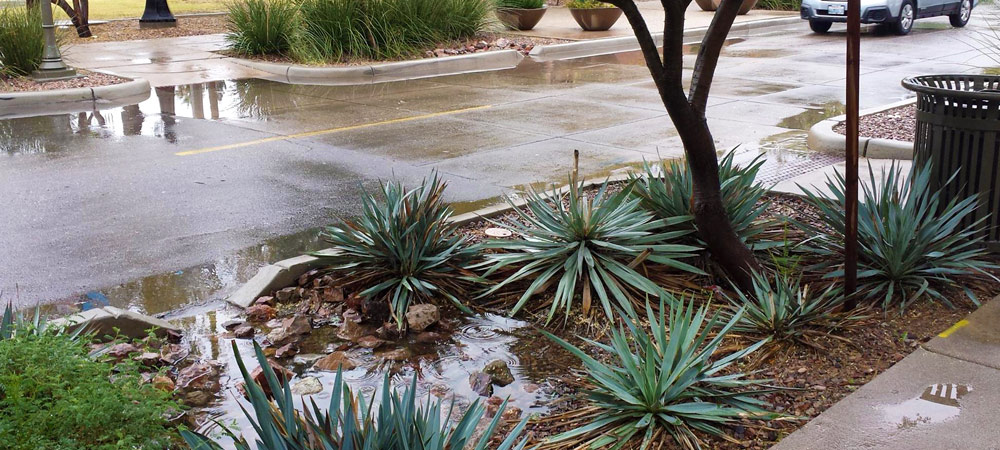
“Pet waste, household chemicals, gardening products, and other common items can get washed away into storm drains and waterways and have a negative impact on our environment,” said Pima Association of Governments Planning Coordinator Melanie Alvarvez.
Among the responsibilities of PAG is to coordinate with member jurisdictions on stormwater pollution prevention to keep water runoff clean and waterways free of debris that can clog drains and result in unsafe street flooding and traffic conditions during rain events. The public also plays a role in keeping stormwater clean.
“One of the biggest things is to pick up after your pet,” Alvarez said.
Dog waste contains potentially harmful pathogens such as E. coli and salmonella, among others. By cleaning up after our dogs on walks and keeping our properties free of pet waste, especially when the rains come, less of that waste will be swept into the washes and rivers where it can cause harm.
- Stormwater pollution prevention
Additional details on how we all can help keep stormwater free of pollutants - Hazardous waste disposal
City of Tucson household hazardous waste disposal is free to city residents (fee for non-residents)
Chemical runoff also can cause environmental harms but it too can be easily minimized. Common items we all have that sometimes accumulate around our homes like solvents, batteries, electronics, varnish, stains and paint can become a problem if not stored or disposed of correctly.
If you have items like these around the home, be sure they are kept off of the bare ground in a dry location. If you have a shed on your property, for example, make sure water isn’t leaking into it, which can cause chemicals to leach into the soil or wash off of the property into stormwater.
Rather than stockpile old chemicals you may never use, take them to one of the household hazardous waste disposal sites around the community.
Another potential source of stormwater pollution can be those gardening chemicals many of us rely on to keep our yards looking pristine. It’s a good idea for the environment and for your wallet to use products such as fertilizers, pesticides and herbicides judiciously and to choose more eco-friendly garden products when possible. Check the weather forecast, and don’t fertilize or spray when a storm is likely.
“You won’t get your money’s worth out of these products if they get washed into the street after a storm,” Alvarez said.
Our cars also can be a source of stormwater pollution if not properly maintained. Leaked fluids such as motor oil can get washed into the environment where they cause harm to plants and animals. If you see puddles of oil under your car, it is a good time to get your car checked out.
Even car brakes can contribute to stormwater pollution. Some brake shoes contain copper and as these wear, dust containing copper and other materials can settle on the roadway and later be washed into storm drains and waterways during rainstorms.
By keeping your vehicle maintained you can minimize the amount of pollutants released into the environment and preserve the life of your vehicle. Early forecasts predict the 2026 monsoon could be wetter than average. Before the rains start, take some time to remove potentially hazardous items from your property and check your vehicle for leaks.