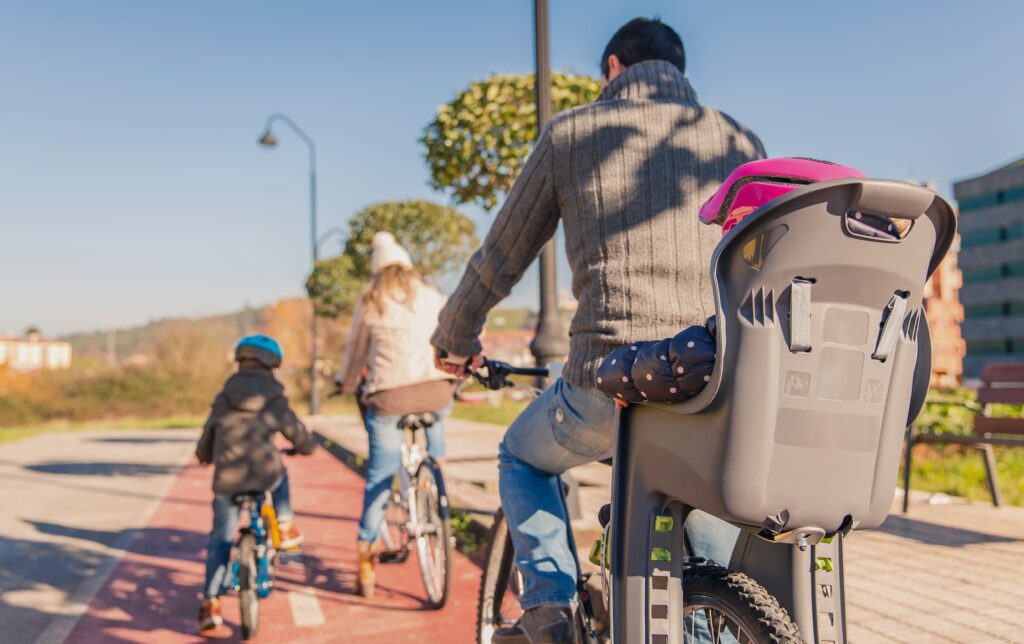
For those of you who don’t drive a motorized vehicle and rely on non-motorized transportation, a new plan developed by Pima Association of Governments explores your needs from a regional perspective.
PAG recently completed its Regional Active Transportation Plan (RATP), which focuses on human-powered mobility, such as walking, biking, or using a personal mobility device, such as a wheelchair.
The plan defines a long-term vision, establishes regional priorities, and identifies recommended improvements across the region with a focus on safety, accessibility, connectivity, equity and vehicle emission reductions.
“This is essentially a comprehensive blueprint to guide the region as we plan for future non-motorized mobility investments,” said Jeanette DeRenne, PAG Transportation Planning Director.
The draft plan recommends 118 projects along key corridors that respond to active transportation needs in our region and will help inform future regional transportation planning efforts to create a safe and connected active transportation network.
It was the product of extensive coordination with jurisdictions across Pima County, whose priorities are represented in the RATP. The PAG Transportation Planning Committee and the RATP Technical Working Group also participated in the production of the plan.
Public input also was gathered in development of the plan. This included a pair of public surveys, three interactive web maps, 14 pop-up events around the community, and an email campaign to drive participants to the plan website and surveys. The RATP combines PAG’s previous bicycle and pedestrian plans along with relevant plans from partner jurisdictions to help those agencies prioritize investments, coordinate across jurisdictions, and expand safe, accessible travel options. The RATP also promotes regional connectivity by encouraging consistent infrastructure and design approaches that better link communities and support a more integrated active transportation network.